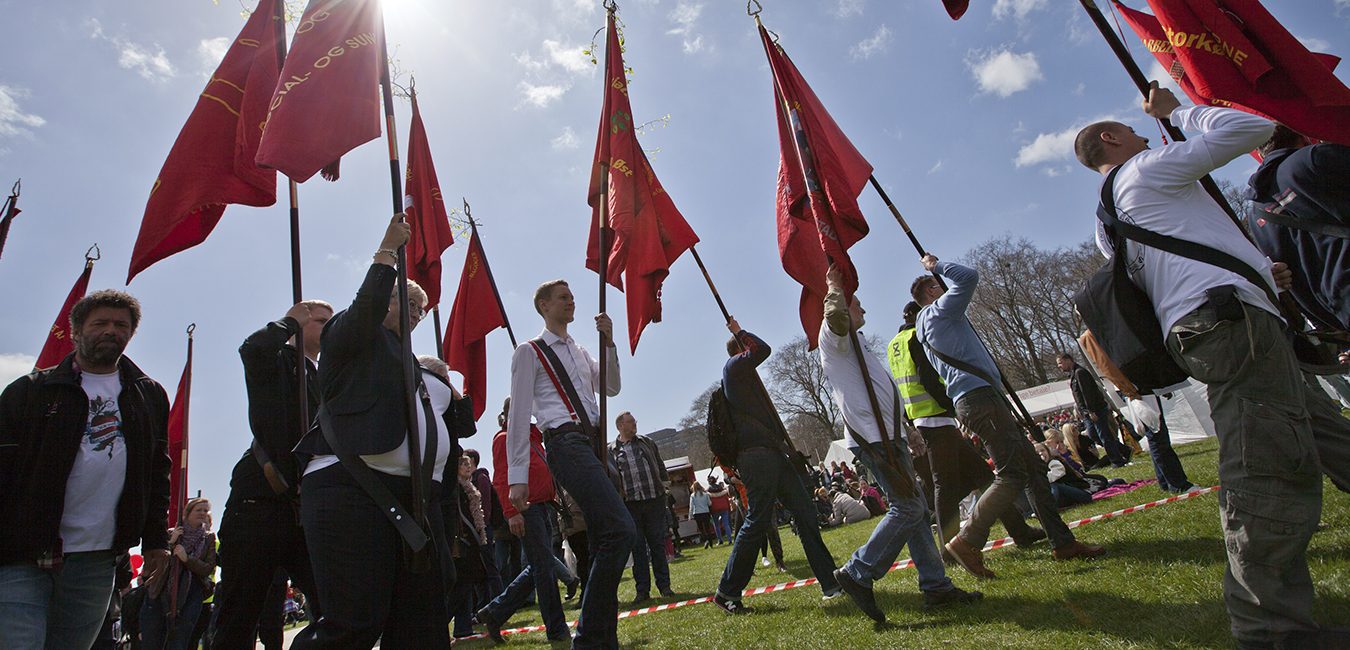
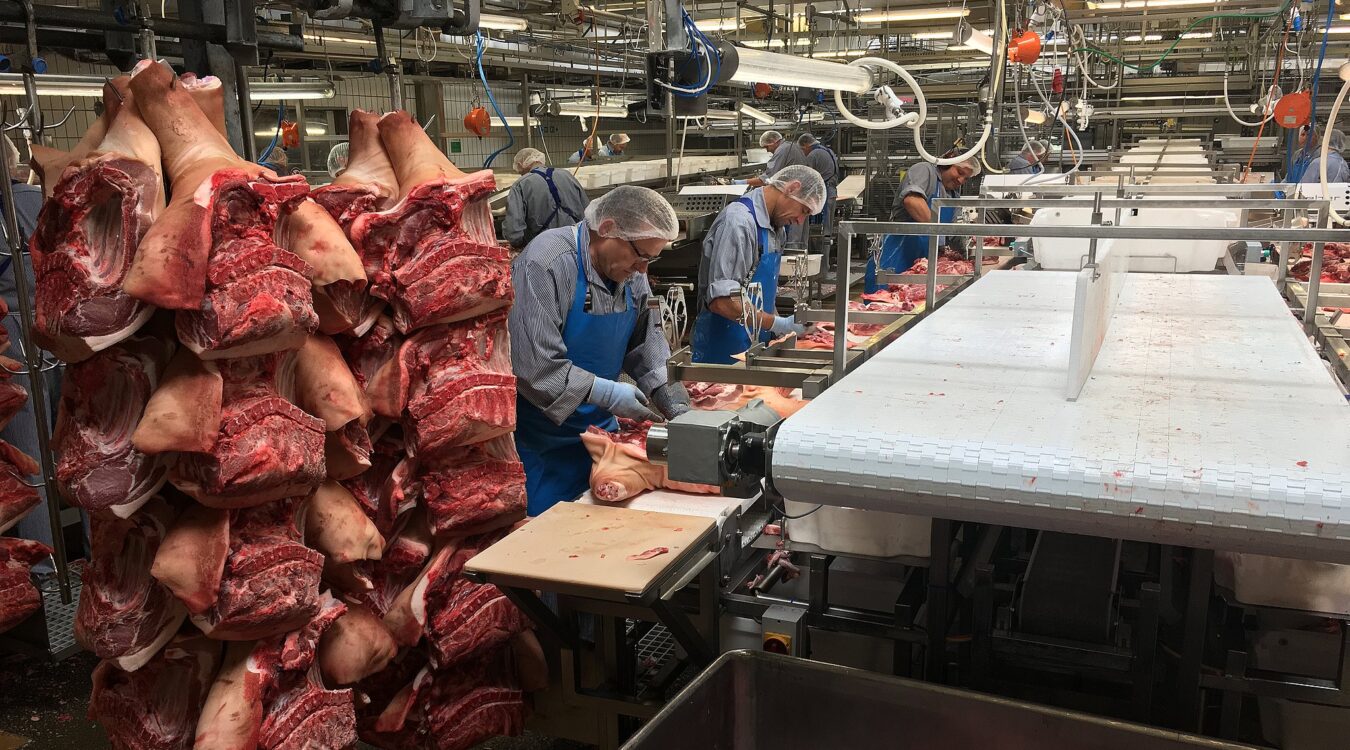
<<< Det talte ord gælder! >>> Kære venner og kolleger, 1. maj – er vores dag. Det her bliver mit livs korteste 1. maj-tale. Men I skal vide én ting om mig – jeg er hamrende stolt over at være en del af den danske fagbevægelse. Lige nu står vi sammen med de 1.200 slagteriarbejdere…
DF’er blev jagtet af en hund, tidligere minister sparede op til blå støvler og radikal profil gemte sig, da skolelederen skulle have vasket hår. Her kan du læse fem folketingsmedlemmers historier om fritidsjob.
Denne uge samlede EU’s topfolk og europæiske arbejdsmarkedsparter sig om et socialt EU-topmøde i den lille belgiske by La Hulpe for at underskrive en fælles erklæring om, hvordan EU kan bidrage til at løse de sociale udfordringer i fremtiden.
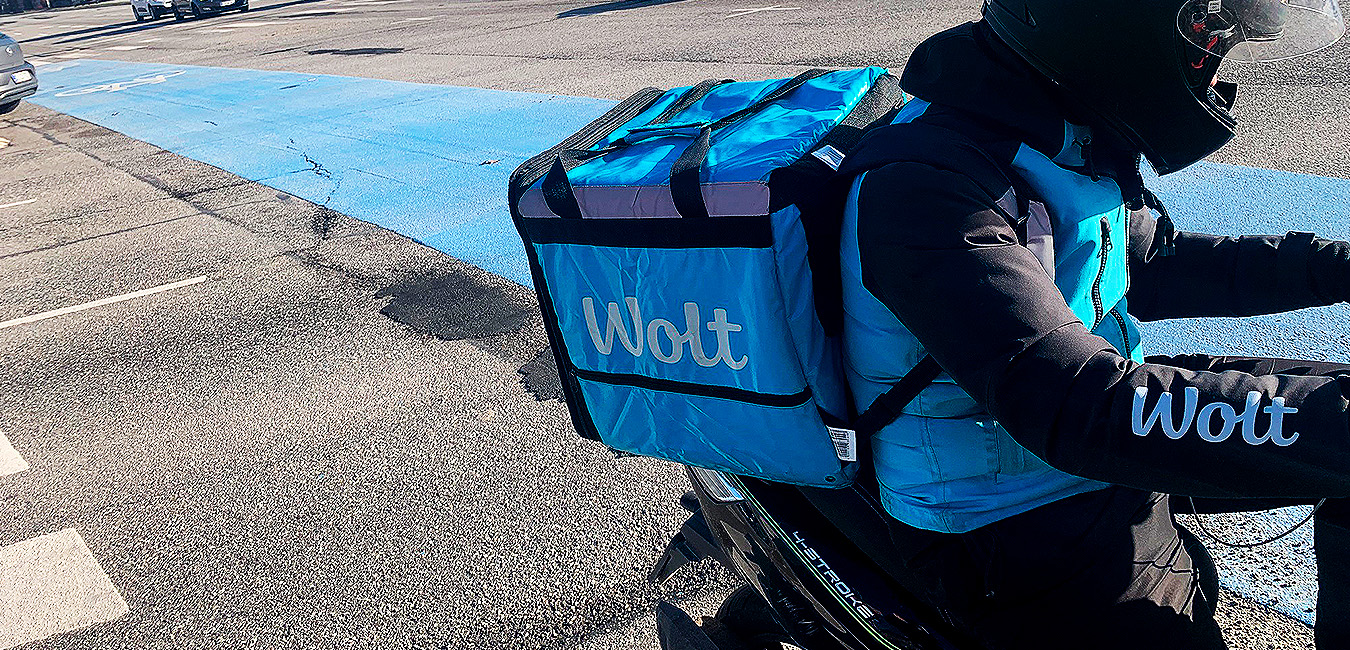
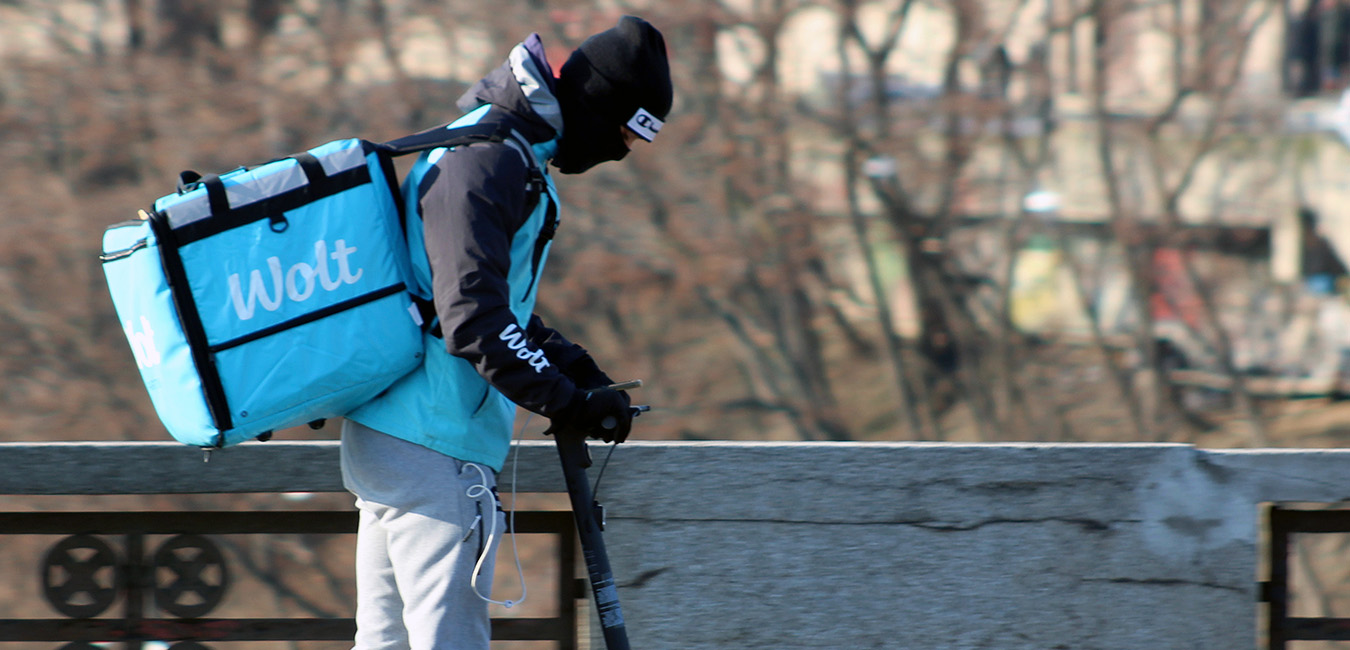
Med et kæmpe flertal vedtog Europa-Parlamentet onsdag direktivet om arbejdsvilkår for platforms-arbejde. Det er vi glade for i FH. Det betyder nemlig, at de mange personer, der arbejder gennem digitale arbejdsplatforme, får adgang til de almindelige arbejdstagerrettigheder, som de reelt har krav på. Rettigheder som f.eks. feriepenge, pension eller løn under sygdom.
En ny rapport med fokus på platformsarbejdere i Danmark viser, at en dansk platformsarbejder typisk er ung og med udenlandsk baggrund. Det er mennesker, der er mere sårbare. At de også er overrepræsenterede i en usikker branche, kan blive en endnu større udfordring for sikring af deres arbejdsvilkår og rettigheder.